Clear Guidance at Every Visit
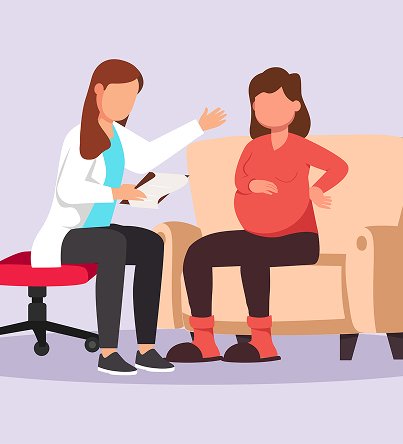
We explain test results, discuss questions, and review your plan throughout pregnancy.



A pregnancy may need additional monitoring when a health condition, pregnancy complication, or previous pregnancy history could affect the wellbeing of the mother or baby. High-risk care is planned individually and does not mean that a complication will necessarily occur.
Care may include closer antenatal visits, recommended tests or scans, coordination with relevant specialists, and a birth plan that can be reviewed as the pregnancy progresses.
Our team helps you understand your individual risk factors, the purpose of recommended monitoring, and when to seek urgent advice. Your care plan is reviewed in response to your health and pregnancy.
Appointments and assessments are guided by your health and pregnancy needs.
When needed, your care team can coordinate with relevant clinical specialists.


We explain test results, discuss questions, and review your plan throughout pregnancy.
Regular communication helps you know what to expect and how to contact your care team. Monitoring and birth planning are tailored to your clinical situation.

Discuss health history and factors that may need closer attention.

Attend appointments and recommended assessments during pregnancy.

Review delivery plans with your clinician as your needs evolve.
High-risk pregnancy care focuses on timely assessment, consistent monitoring, and clear communication. Your clinician will explain the recommended care and symptoms that require urgent attention.
Discuss medical history, current health, and any pregnancy concerns.
Follow the visits, tests, or scans recommended for your pregnancy.
Adjust the care and birth plan with your clinical team when needed.
It means your pregnancy may benefit from closer monitoring because of health or pregnancy factors; it does not predict that a problem will occur.
Your clinician may recommend additional checks to monitor your health and the baby's development based on your individual needs.
Not necessarily. The safest birth approach depends on your clinical situation and will be discussed with your care team.
Your obstetric team can coordinate with other clinicians when a health condition requires shared care.
Ask your clinician which warning signs apply to you and how to contact maternity services promptly if they occur.