A Welcoming Place to Talk
Adolescents and families can discuss concerns, get reliable health information, and understand possible next steps with our care team.



Adolescent health counseling gives young people a supportive place to ask questions and learn about the physical and emotional changes of adolescence. Guidance is age-appropriate, respectful, and shaped around each young person's needs.
Counseling can cover puberty, menstrual health, personal hygiene, healthy habits, emotional wellbeing, and when to seek medical advice. Parents or guardians can be included where appropriate and with respect for the young person's privacy and safety.
Our team listens without judgement and explains health topics in clear, age-appropriate language. We help adolescents understand their bodies, build confidence in healthy choices, and know when professional care may be needed.
Information is tailored to the young person's age, questions, and individual health needs.
We create a welcoming space for honest conversations and explain confidentiality and safety clearly.


Adolescents and families can discuss concerns, get reliable health information, and understand possible next steps with our care team.
Every conversation starts with listening. Together, we identify concerns, share practical information, and agree on appropriate support or follow-up.

Share questions and concerns in a supportive setting.

Understand changes, healthy habits, and available care.

Discuss follow-up or referral options when needed.
Adolescent health needs can change over time. Counseling encourages young people to ask questions, recognize changes in their health, and reach out to a trusted clinician when they need help.
We begin by understanding the young person's questions and health concerns.
Our clinician explains relevant health information in clear, age-appropriate language.
When appropriate, we discuss practical support, follow-up, or referral.
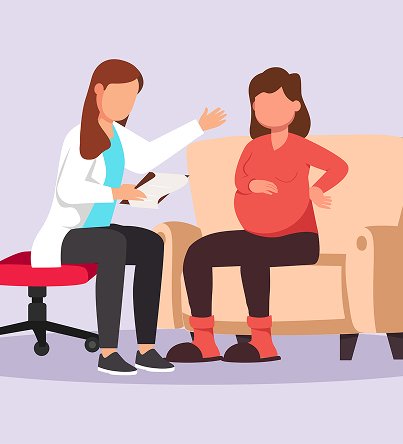
Topics may include puberty, periods, hygiene, healthy habits, and emotional wellbeing, based on the young person's needs.
We explain privacy and its safety-related limits clearly, following applicable law and clinical guidance.
Seek advice for persistent pain, unusual bleeding, concerning changes, or any issue affecting day-to-day wellbeing.
Parents or guardians may be involved where appropriate, with attention to the young person's needs, safety, and applicable consent rules.
Yes. A visit can be a chance to ask questions, discuss concerns, and learn what to expect from care.